

2nd SCALE-MX Congress
Data ecosystems are shaping industrial practice! Guests had the opportunity to experience this firsthand alongside experts at the second SCALE-MX Congress in Hanover—in a practical, forward-looking, and interconnected way.

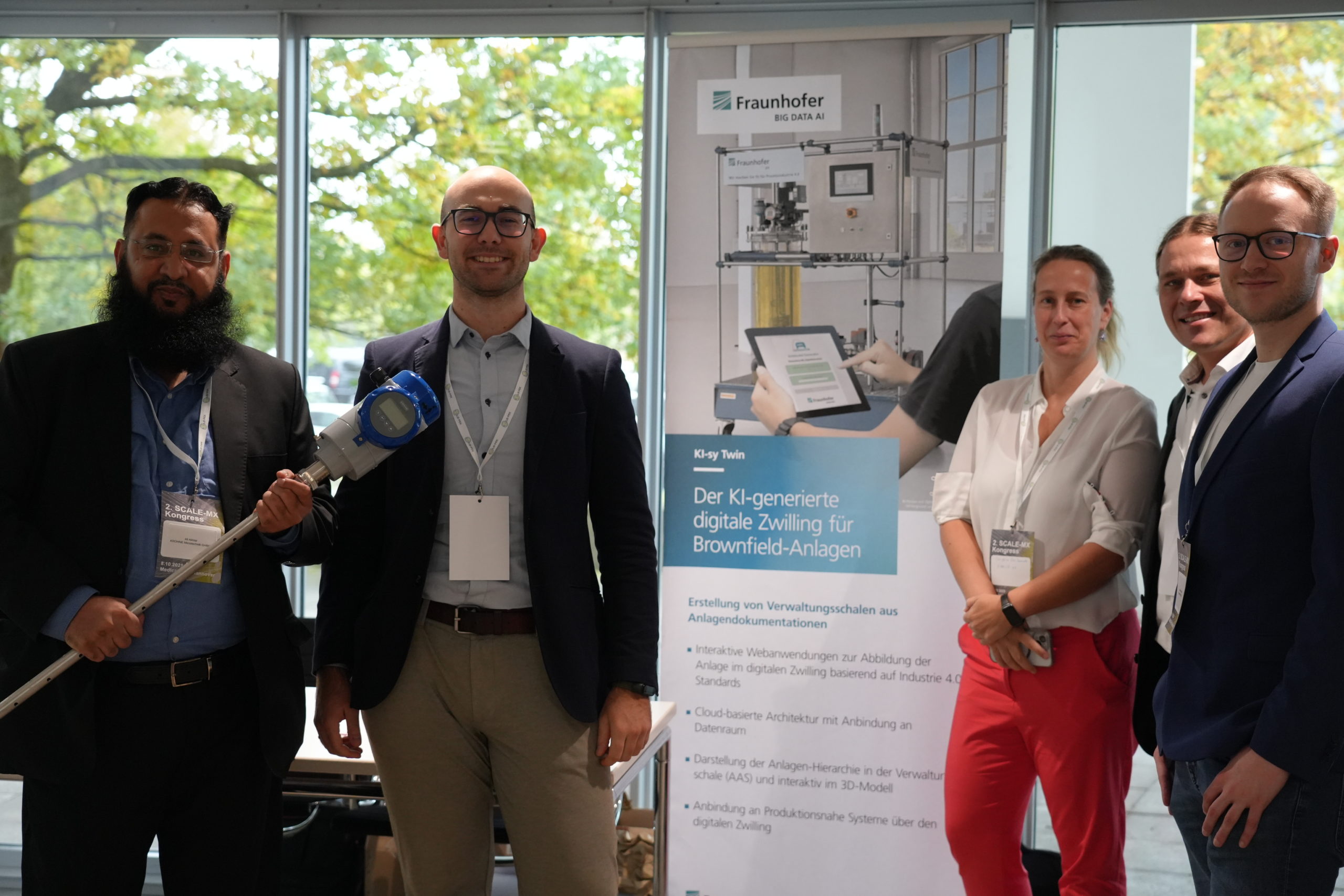
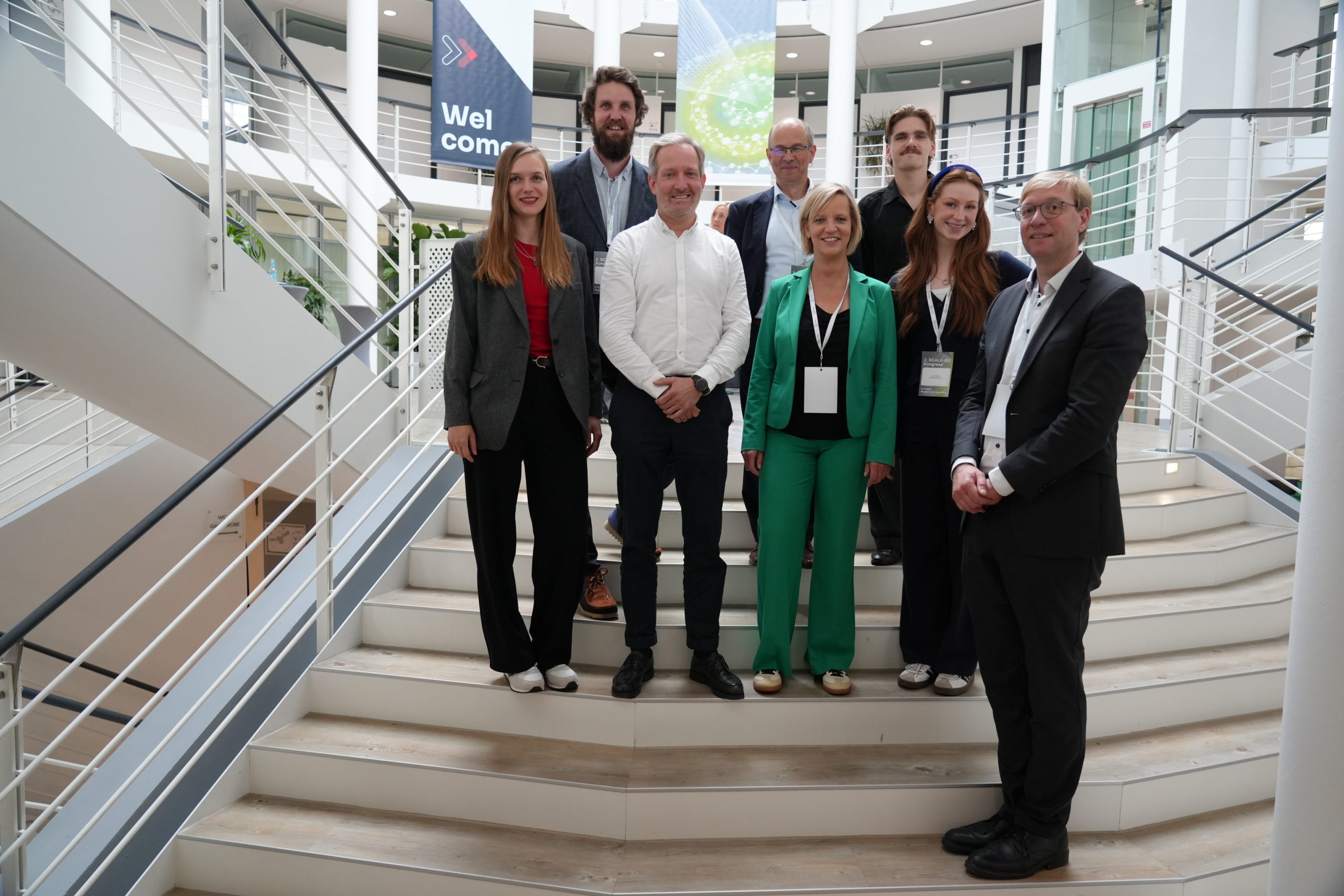
The second SCALE-MX Congress in Hanover made it clear: data ecosystems have become an established part of the industry. More and more companies view data exchange not as a promise for the future, but as an integral part of their daily value creation.
The conference focused on the question of how technological concepts can be transformed into practical solutions. Presentations and discussions made it clear that seamless data exchange is now both technically feasible and economically viable. Examples from Manufacturing-X projects demonstrate how quickly a growing community is developing around data ecosystems.
Key insight: Interoperability, openness, and cooperation are the key factors for successful data spaces. Standardized interfaces, shared data models, and clear governance structures ensure that data ecosystems do not remain isolated but operate across organizations.
The practical demonstration was particularly impressive: demonstrations and implementation examples made it clear how data exchange, administrative frameworks, and digital twins are already intertwined today. They show that the path to connected production does not lie in creating new silos, but rather in jointly developed, open solutions.
Another key focus was on how companies can become “data room-ready”—that is, how they can ensure they have the organizational, technical, and legal capabilities to participate effectively in data rooms. It became clear that, in addition to technology, what is needed above all is guidance, knowledge transfer, and networking.
This is exactly where SCALE-MX comes in: as a knowledge-transfer initiative that brings users and providers together, pools expertise, and promotes successful approaches on a broader scale. The conference impressively demonstrated just how much the community has grown, and that collaboration remains the key to translating data ecosystems into industrial practice.