
SCALE-MX Best Practice Event at the Augsburg Technology Center
Data Rooms as the Key to Tomorrow's Manufacturing: A Look Back at the SCALE-MX Best Practices Event in Augsburg
Data rooms have become mainstream in the industry. At the SCALE-MX Best Practice Event in Augsburg, it became clear how companies are using data today to improve processes, make supply chains more resilient, and develop new business models.
The focus was on specific applications, outstanding challenges, and the question of how data rooms create added value in practice.
Insights from Strategy and Practice
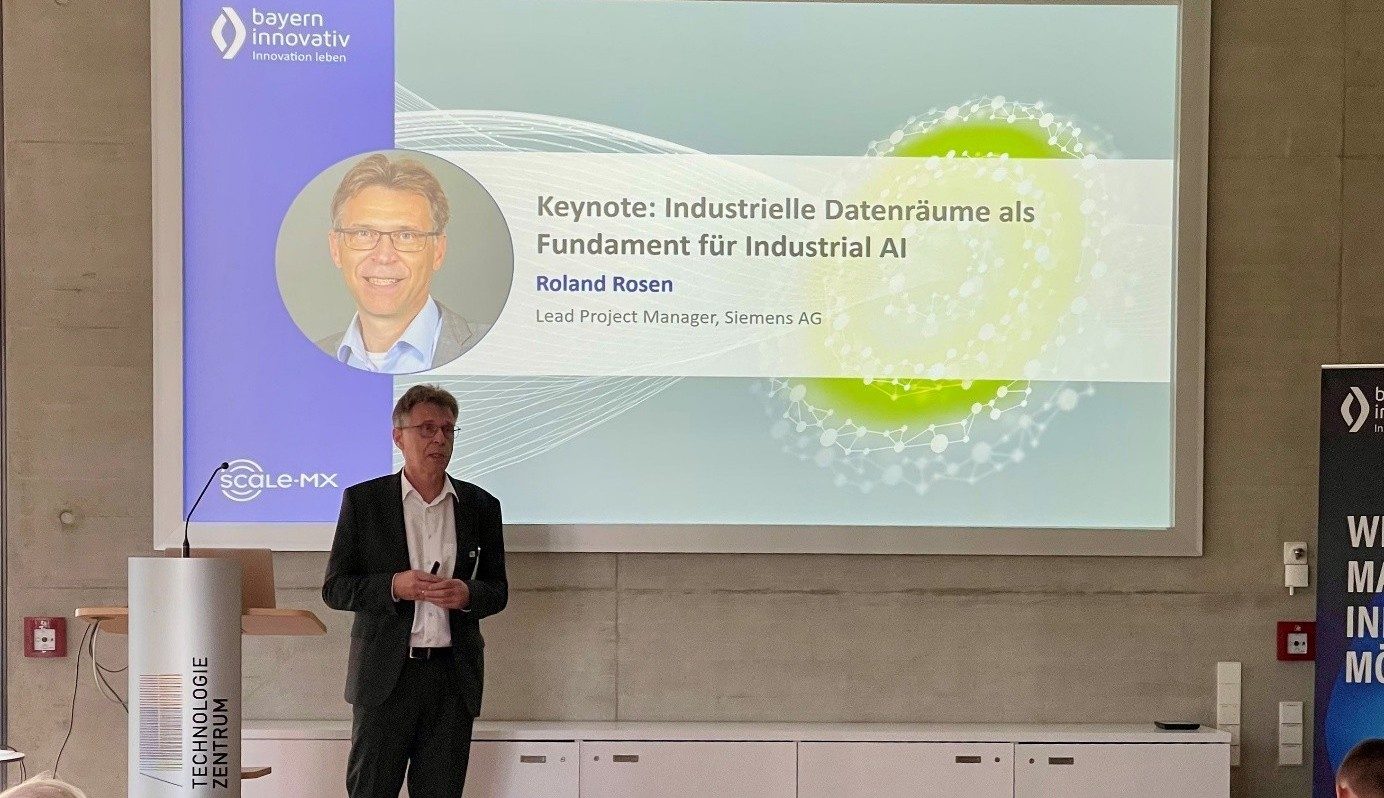
Roland Rosendemonstrated why data spaces can serve as the foundation for industrial AI applications.Jan Fischerhighlighted how they are already supporting production, supply chains, and industrial value creation today.
At the Demand and Capacity Management session, Katharina Zipsedemonstrated how data exchange makes supply chains more efficient and helps identify bottlenecks earlier.
Three real-world examples made the potential of data-driven value creation particularly tangible:
- Using GMN Paul Müller as an example, Dr. Markus Weber demonstratedhow the company was able to tap into new business opportunities and generate additional revenue potential through the use of Gaia-X.
- Harald Gossner presenteda newly developed data-driven business model for the semiconductor industry.
- Florian Krebs demonstratedhow aerospace companies can improve quality assurance through seamless data exchange while efficiently meeting regulatory requirements.
The examples made it clear that data rooms are no longer just a concept for the future, but are already generating tangible economic value today.
Key Findings from the Workshops
The afternoon workshops focused on the question of what conditions need to be in place to ensure that data rooms can be successfully implemented on a broad scale.
Five key findings emerged from this:
Sharing data starts with trust
In addition to the technical infrastructure, what is needed above all is a culture of trust and a shared understanding of how data can be used securely and responsibly. Many participants considered this cultural shift to be just as important as the technical implementation.
The added value must be visible
Companies are willing to share data when doing so yields tangible benefits. Successful data rooms are therefore designed around clearly defined use cases and measurable economic value.
Standards and interoperability lay the foundation
Common standards, high-quality data, and the interoperability of existing systems were identified as key prerequisites. Only in this way can data be used efficiently across organizational boundaries.
Viewing Regulation as an Opportunity
Numerous discussions have shown that data rooms can help companies not only meet regulatory requirements but also generate additional competitive advantages from them.
Sharing Knowledge Together
Cross-industry collaboration, knowledge sharing, and the development of a shared data culture were highlighted as key success factors for the future of the data-driven industry.
Funding to Help Get Started with Data Rooms
To conclude,Dr. Mario HoleschpresentedtheData Space Accelerator. The study helps small and medium-sized enterprises become familiar with secure data exchange through a straightforward use case. It examines which factors encourage participation in data spaces and what barriers companies currently still perceive when entering industrial data ecosystems.
Shaping the Industry of Tomorrow Together
The Best Practice Event impressively demonstrated that data rooms are a key building block for the digital and connected industry of the future. Success will depend not only on technology, but also on trust, collaboration, and the willingness to view data as a shared source of value creation.
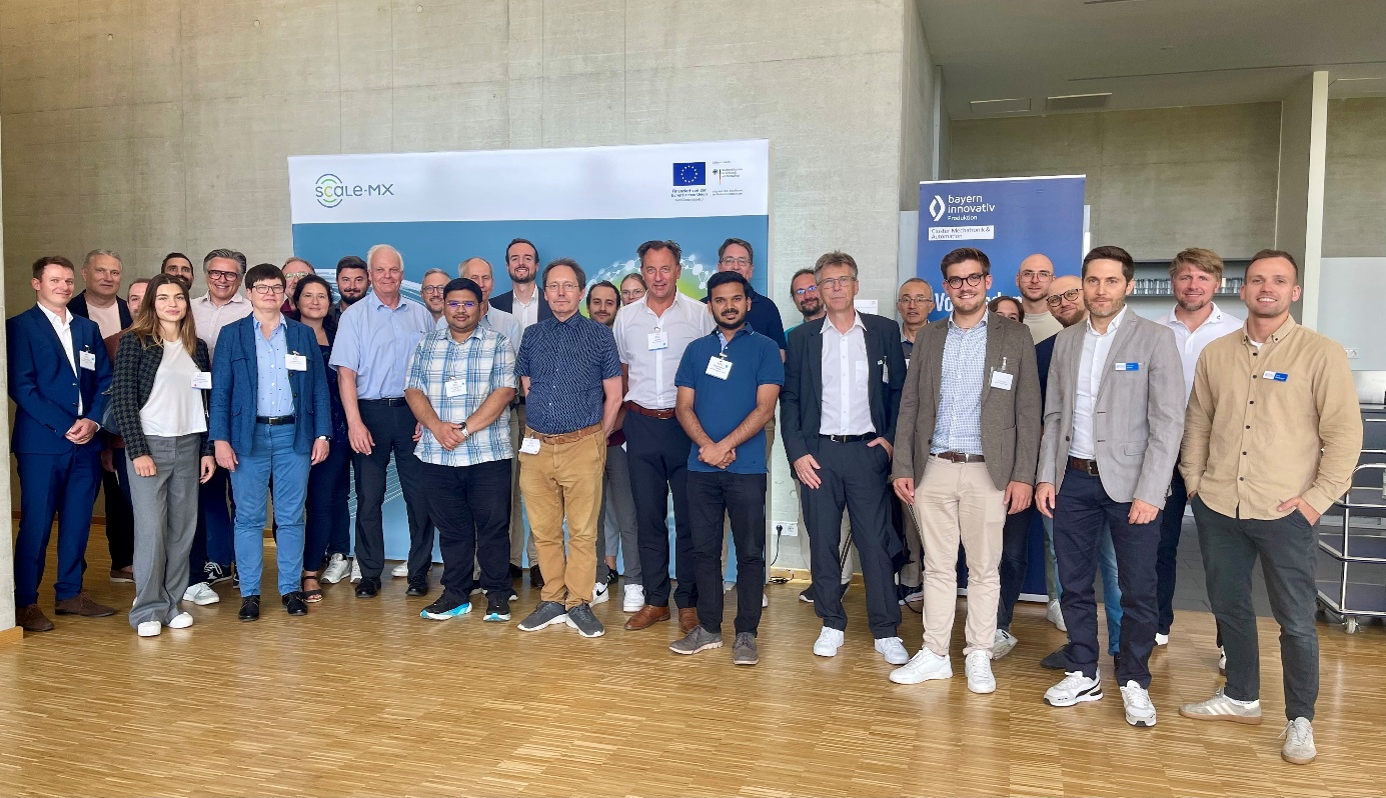
We would like to extend our sincere thanks to all speakers, participants, and partners for the open exchange of ideas, the engaging discussions, and the many insights. Together, we are shaping the path toward a connected, resilient, and data-driven industry.